Earth and Consumer Movements
The Earth First
In 1962, a marine biologist named Rachel Carson published a book, Silent Spring, that would do more to awaken environmental consciousness than any other single work. Carson’s book described how DDT and other chemical pesticides contaminated nature’s food chain, killing large numbers of birds and fish and causing human illnesses. This volume helped initiate the most influential environmentalist movement in modern American history.
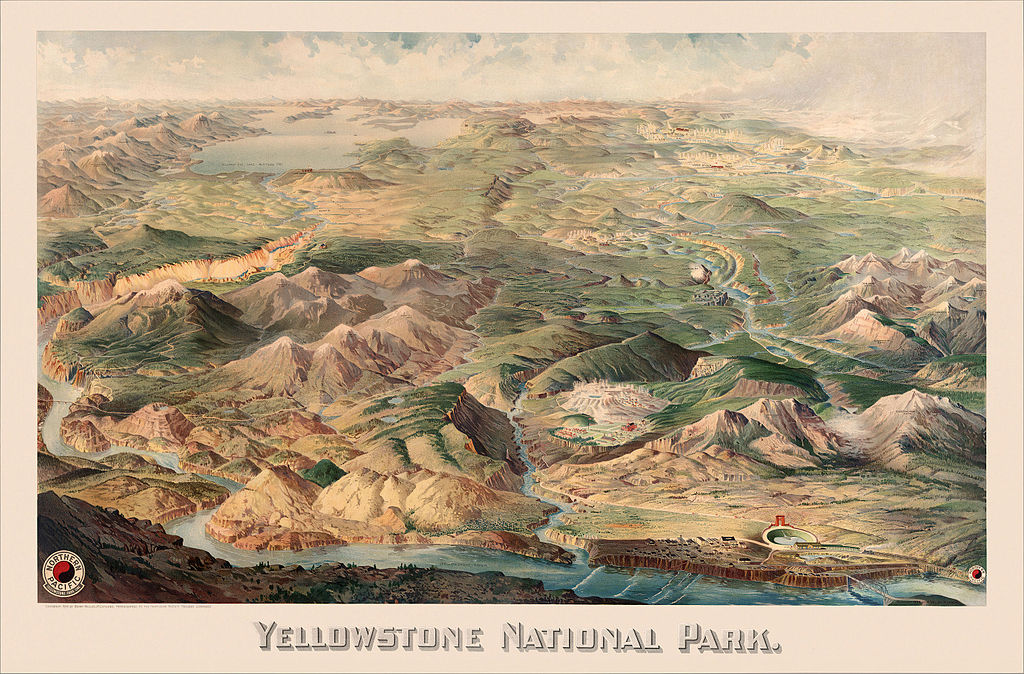
Modern environmentalism began at the end of the nineteenth century. In 1872, Congress created Yellowstone, the first national park. In 1891, the Forest Reserve Act gave the president the power to set up national forests. The next year, the Sierra Club was founded, the nation’s first organization committed to protecting wilderness areas.
During the Progressive era, conflicting visions of the environment struggled for dominance. Some individuals, like Gifford Pinchot, the head of the U.S. Forest Service under Theodore Roosevelt, were primarily interested in using scarce natural resources more rationally and efficiently. Others, like John Muir, the naturalist and the Sierra Club’s first president, were eager to preserve wilderness and wildlife for their own sake and to prevent industrial development from despoiling nature’s beauty.
Franklin Roosevelt’s New Deal initiated a number of important conservation projects. The Civilian Conservation Corps (CCC) put three million young men to work restoring national parks and forests. The Tennessee Valley Authority restored the region’s forests by planting trees, controlled flooding, and provided cheap electricity by building dams. The Soil Conservation Service combated the poor farming and ranching practices that contributed to the loss of topsoil during Dust Bowl of the early 1930s.
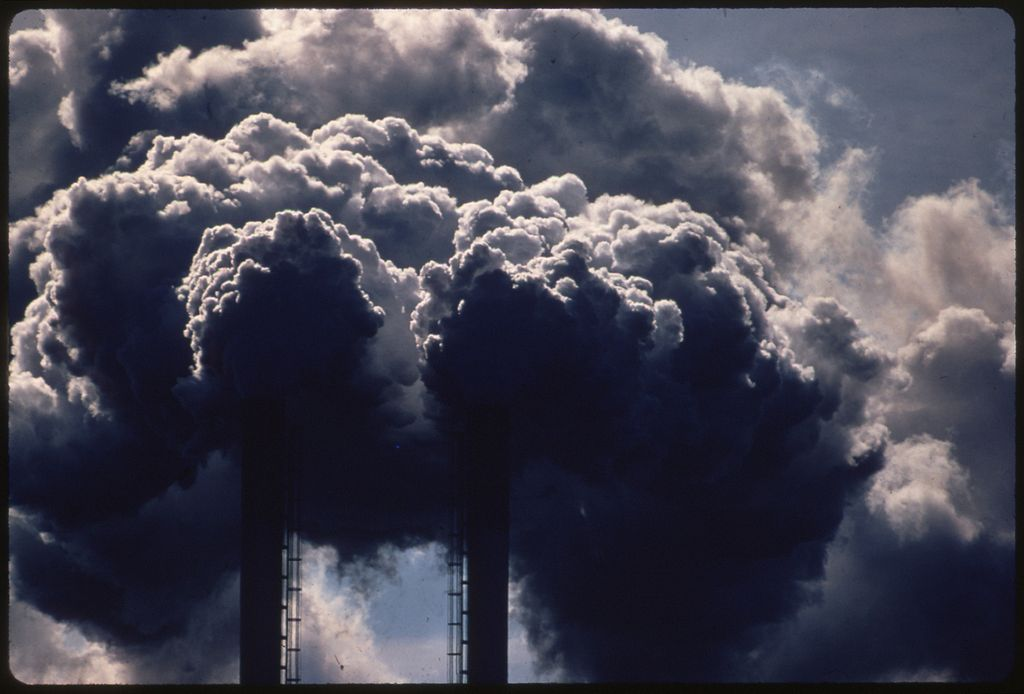
It was during the 1960s, however, that environmentalism became a mass movement. A series of environmental horror stories broadened the environmentalist constituency from naturalists to include a majority of Americans transcending party lines. Cleveland’s Cuyahoga River caught fire. Toxic residues were discovered in mothers’ breast milk. Acid rain was killing lakes and streams. Americans became increasingly alarmed about “killer smog,” off-shore oil drilling, the paving over of farm land, and the loss of wetlands. Greater affluence also contributed to environmentalism, since a wealthier society could afford to pay for a cleaner environment.
Scientists played a critical role in arousing public awareness. Paul R. Erhlich, a Stanford ecologist and author of the 1968 bestseller The Population Bomb, warned that world population growth was outstripping the earth’s supply of food, fresh water, and mineral resources. Barry Commoner, a Queens College professor and author of The Closed Circle, alerted Americans to the dangers of nuclear radiation and made them aware of the fragility of the natural environment.
Growing public interest in environmental protection was evident in the establishment of new organizations, like the Environmental Defense Fund. Founded in 1967, the fund heightened interest in “organic farming” and “natural foods” produced without synthetic chemicals. One sign of renewed interest in the environment was apparent with the Congressional passage in 1969 of the National Environmental Policy Act, which required preparation of environmental impact statements for all federally funded highways, dams, pipelines, and power plants. But it was the celebration of the first “Earth Day” that underscored heightened public concern for the environment. On April 22, 1970, some twenty million Americans observed “Earth Day” by staging demonstrations, planting trees, and gathering in parks.
In Earth Day’s wake, Congress combined fifteen federal pollution programs to create the Environmental Protection Agency in 1970, to set and enforce pollution standards, passed the Clean Air and Clean Water Acts, and in 1970, enacted the Endangered Species Act in 1973, to protect threatened species of wildlife. Since these initial measures were adopted, environmental concern has surged and ebbed.
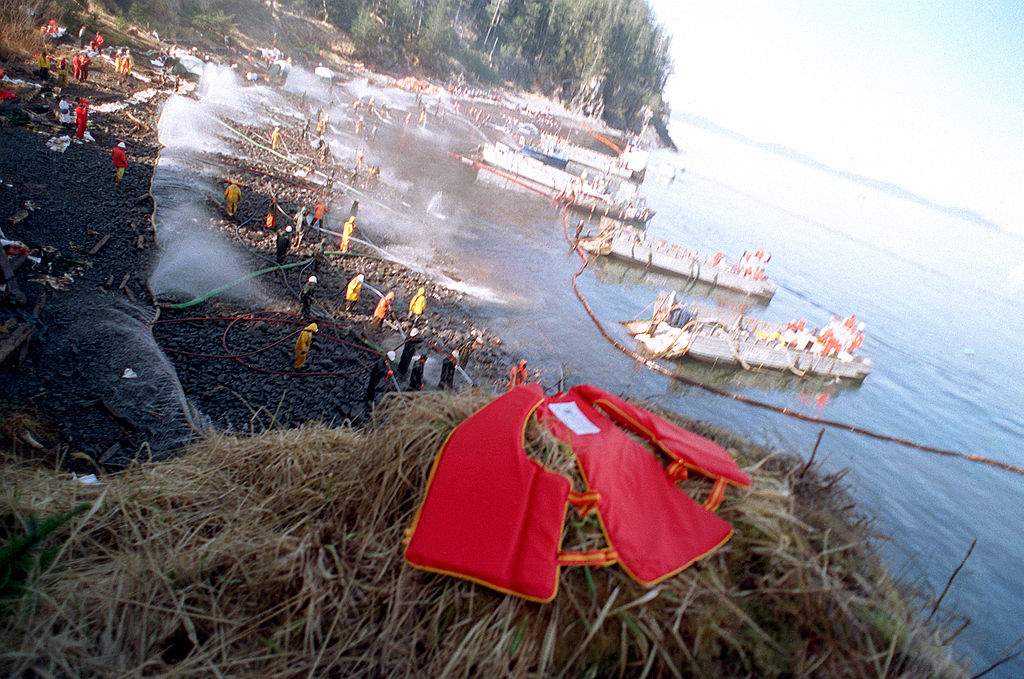
During the mid-1970s, when the United States experienced severe oil shortages and economic productivity dipped, fewer Americans were willing to sacrifice economic growth or a high standard of living for environmental protection. During his presidency, Ronald W. Reagan argued that the solution to environmental problems could be found in the workings of the marketplace rather than government regulation. But whenever news reports of environmental degradation appeared, public concern quickly resurfaced. Reports in 1978 that dangerous chemicals buried beneath Love Canal in New York led Congress to create the “Superfund” to finance the clean-up of the nation’s most dangerous toxic waste sites. Publicity over the dangers of “ozone depletion” led the United States and most other nations to negotiate a 1989 treaty cutting production of chlorofluorocarbons which destroy the atmosphere’s protective ozone shield. Also in 1989, a U.S. tanker, the Exxon Valdez, spilled nearly eleven million gallons of crude oil into Alaska’s Price William Sound, sparking intense public concern.
The report card on the nation’s environmental record offers a mixed picture. Contamination levels of DDT, lead, and cancer-causing polychlorinated biphenyls have declined sharply. By 1995, environmental regulations had reduced sulfur dioxide emissions by 53 percent, carbon monoxide by 57 percent, smoke and soot by 59 percent, and smog by 39 percent, and had made America’s water supply the cleanest in the industrial world. Strict federal rules curbed automobile and industrial emissions, while increasing automobile mileage and the efficiency of appliances. As a result, while the American economy grew by half between 1970 and 1995, energy usage increased by only ten percent.
Today’s environmental record is far from positive. In spite of scrubbing, or the elimination of power plant smokestacks, fish life in 4,000 lakes remains threatened by acid rain. While automobile tailpipe emissions have been sharply curtailed, half of the population lives in counties that violate federal clear air standards. Despite efforts to clean the nation’s rivers and lakes, many freshwater fish contain dangerous levels of toxic chemicals. And as some older environmental hazards have been addressed, new concerns have arisen, such as global warming—the greenhouse effect caused by the buildup of carbon dioxide and other gases in the stratosphere—and depletion of the earth’s protective ozone shield. Eco-populists warn about dangers posed by genetic engineering and electromagnet radiation. Animal rights activists call on Americans to replace an “anthrocentric” perspective with an outlook respecting the value of all living things.
Public opinion polls indicate that Americans overwhelmingly support environmental protection, and over three-quarters consider themselves environmentalists. Membership in environmental organizations has increased sharply. The national symbol, the bald eagle, once threatened by extinction, is now labeled as “threatened” rather than “endangered.”
But whether a fundamental change has taken place in Americans’ relationship to nature remains uncertain. Despite limited efforts at recycling, America remains a “throw-away” society that produces twice as much garbage as Europeans. America also remains an extraordinarily mobile society relying on private cars for transportation. With just 2 percent of the world’s population, the United States uses 24 percent of the world’s energy—twice as much as Japan and Western Europe. And the United States remains a growth oriented society, which continues to absorb millions of acres of crop land each year for highways, tract housing, and office buildings. Each year the federal government continues to add 35 to 50 names to the list of endangered species.
Ralph Nader and the Consumer Movement
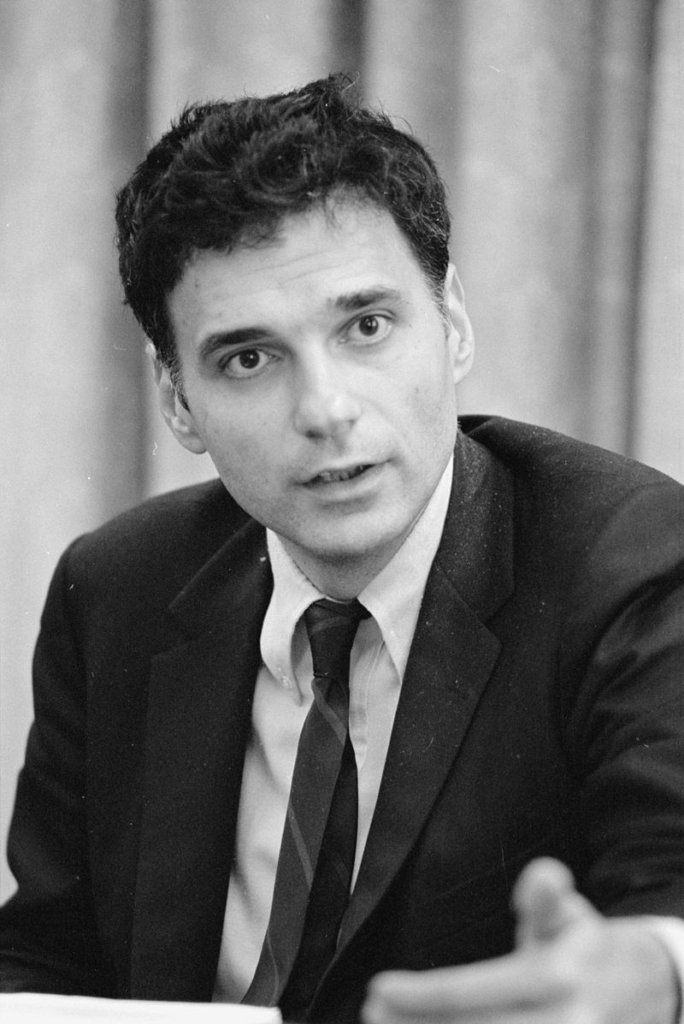
Ralph Nader has been called the nation’s nag. He denounced soft drinks for containing excessive amounts of sugar (more than nine teaspoons a can). He warned Americans about the health hazards of red dyes used as food colorings and of nitrates used as preservatives in hot dogs. He even denounced high heels: “It is part of the whole tyranny of fashion, where women will inflict pain on themselves…for what, to please men.” Since the mid-1960s, Ralph Nader has been the nation’s leading consumer advocate.
An extraordinarily frugal and committed crusader on behalf of the nation’s consumers, Nader lived for years in an $80-a-month rooming house and earned about $15,000 a year. He eats in cheap restaurants, has never owned a car, has almost no social life, avoids all junk food, and dresses plainly. In 1983, he was still wearing shoes he had bought while he was in the Army in 1959.
His parents came to the United States from Lebanon and settled in Winsted, Connecticut, where they ran a restaurant. Nader credits his parents with instilling the sense of justice and civic duty that has inspired his career.
He was born on February 27, 1934, and speaks at least five foreign languages, including Arabic, Chinese, Portuguese, Spanish, and Russian. He received his bachelor’s degree from Princeton (he once wore a bathrobe to class to protest conformity in dress) and earned a law degree from Harvard. At law school, he found his initial cause: automobile safety. After learning that auto accidents were the fourth leading cause of death (behind heart disease, cancer, and strokes), he launched a study of auto injury cases. His research convinced him that the law placed too much emphasis on driver mistakes and not enough on the unsafe design of cars.
In 1963, Nader hitchhiked from Hartford, Connecticut, where he had practiced law, to Washington, D.C., to devote his life to consumer protection. In 1965, he published a bestseller, Unsafe at Any Speed, which charged that automakers stressed styling, comfort, speed, power, and a desire to cut costs at the expense of safety. The book sold 60,000 copies in hardcover and 400,000 copies in paperback.
Nader gained public celebrity status when the General Motors Corporation hired a detective to investigate his politics, religion, and sex life. General Motors’s chairman was forced to apologize for this invasion of privacy before a Senate subcommittee, and eventually paid Nader a $425,000 settlement. Nader used the money to establish more than two dozen public interest groups. The people who work for these groups are known as “Nader’s Raiders.”
During the 1960s and 1970s, Nader was the driving force behind the passage of more than two dozen landmark consumer protection laws, including the National Traffic and Motor Vehicle Safety Act (which set up a federal agency to establish auto-safety standards and order recalls of cars that failed to meet them), the Occupational Safety and Health Act (which established another agency to set standards for on-the-job safety), the Consumer Products Safety Act, and the Freedom of Information Act (which allows citizens to request and see government records). His efforts have been instrumental in attaining job protection for whistle-blowers (employees who expose corrupt or abusive business practices) and federal financing of presidential elections, and in creating the Environmental Protection Agency. Few Americans have ever compiled such a long and impressive list of legislative accomplishment.
Nader’s ultimate goal was not simply to protect consumers from shoddy or dangerous products. It was to reinvigorate the nation’s ideal of democracy by encouraging active grass-roots citizen participation in politics. The best answer to society’s problems, he believed, was for ordinary citizens to campaign for safer consumer products, better schools, a cleaner environment, and safer workplaces.
During the late 1970s and 1980s, his influence seemed to wane. In 1978, Congress defeated his proposal for a Consumer Protection Agency. Critics dismissed him as a “scold.” Said Newsweek magazine: “An optimistic society wearies of his endless discontents.” In a decade of deregulation, Nader’s call for greater regulations seemed out of step with the beat of the times. As the 1980s ended and the 1990s began, however, it was clear that Nader remained a major force in American politics. He played a central role in passing a California initiative that rolled back the cost of auto insurance. He led a bitter fight against a proposed 51 percent congressional pay raise. Plus, his long campaign for auto safety achieved an important breakthrough when the major automobile manufacturers agreed to install air bags in most of their cars.
His third-party campaign for the presidency in 2000 aroused harsh criticism when it contributed to the defeat of the Democratic candidate, Vice President Al Gore. Nevertheless, Nader’s life continues to provide a vivid example of how much difference one person can make.